
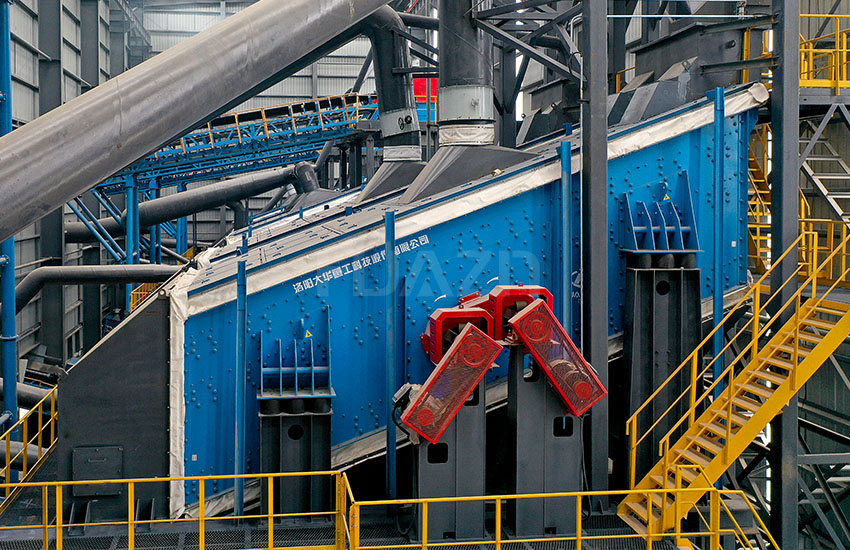
In mining, quarrying, and aggregate production, vibrating screen selection plays a critical role in improving production efficiency and reducing operating costs. Choosing the correct mining screen is not only about capacity and size — it also depends on the physical characteristics of the material being processed.
Different materials, such as hard rock, soft rock, and wet or sticky materials, require different screening solutions. A properly selected vibrating screen can improve screening performance, reduce wear, and extend equipment service life.
This guide explains how material properties affect quarry screening and how to select the right vibrating screen for your application.
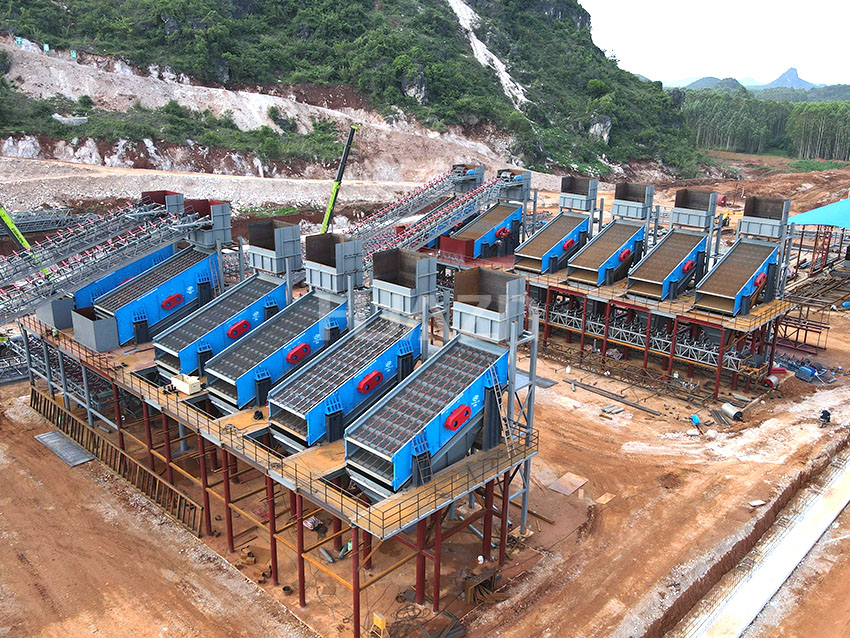
Why Vibrating Screen Selection Is Important
A vibrating screen is one of the key pieces of equipment in mining and quarry operations. It is used to separate materials into different sizes for further processing or final product production.
However, not all vibrating screens are suitable for every application. Incorrect equipment selection may result in:
* Low screening efficiency
* Excessive screen media wear
* Frequent maintenance
* Reduced production capacity
* Higher operating costs
A successful vibrating screen selection process should consider material hardness, moisture, abrasiveness, particle size, and required output.
Selecting a Vibrating Screen for Hard Rock Materials
Hard rock materials, including granite, basalt, and quartzite, are commonly used in construction aggregates and mining industries. These materials have high compressive strength and strong abrasiveness, creating heavy impact on screening equipment.
For hard rock quarry screening, the ideal mining screen should have:
Heavy-Duty Screen Structure
Hard rock applications require a strong and stable vibrating screen design. Reinforced side plates, durable beams, and high-quality components help the equipment handle continuous impact and heavy loads.
Wear-Resistant Screen Media
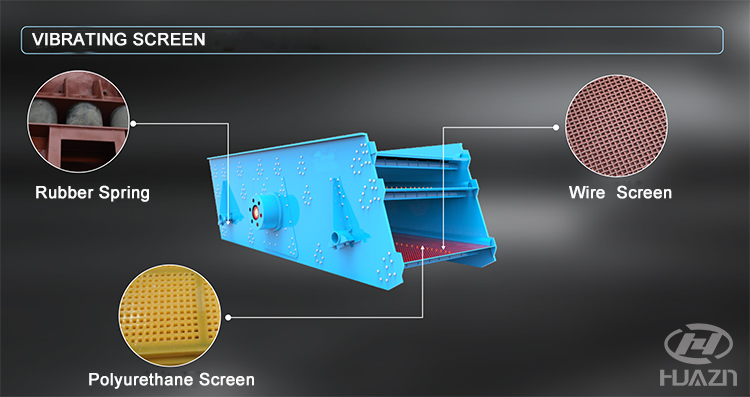
Because hard rock can quickly wear standard screen surfaces, selecting suitable screen media is essential. Common options include:
* Polyurethane screen panels
* Rubber screen media
* High-strength woven wire mesh
These solutions help reduce downtime and improve the service life of the mining screen.
High Screening Capacity
Hard rock processing usually involves large feed sizes and high production demands. Heavy-duty inclined vibrating screens or multi-deck screens are often selected to achieve efficient material separation.
Selecting a Vibrating Screen for Soft Rock Materials
Soft rock materials, such as limestone, coal, and shale, are easier to crush but may create different screening challenges.
During quarry screening, soft materials often produce more fine particles, and some materials may contain moisture or clay.
Suitable vibrating screen features include:
Anti-Blinding Screen Design
Fine and wet materials can block screen openings and reduce efficiency. Self-cleaning screen media, polyurethane panels, and special mesh designs help prevent screen blockage.
Adjustable Vibration Parameters
Proper adjustment of vibration frequency and amplitude improves material movement and screening accuracy, especially when handling fine particles.
Energy-Efficient Operation
Compared with hard rock applications, soft rock screening usually requires less impact resistance. Selecting an appropriately designed mining screen can reduce energy consumption and operating costs.
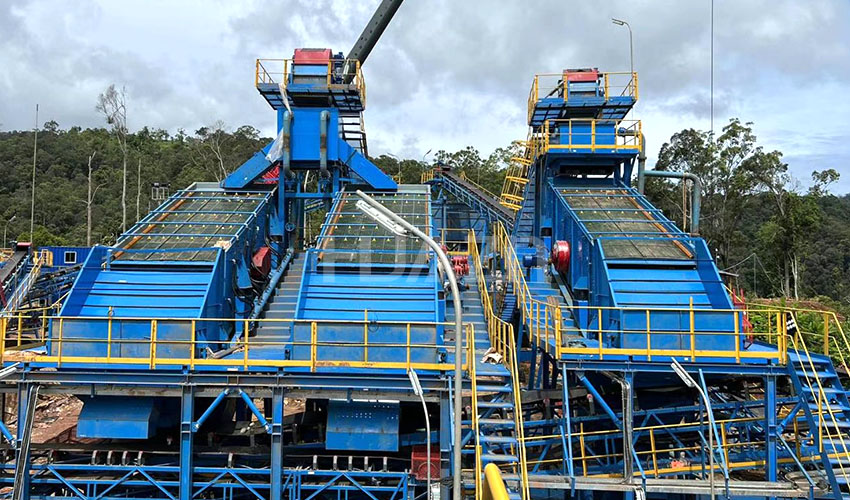
Key Factors in Vibrating Screen Selection
Material hardness is only one part of the selection process. The following factors should also be evaluated:
1. Material Moisture Content
Wet materials tend to stick together and reduce screening efficiency. For high-moisture applications, operators may need larger screening areas, special screen surfaces, or alternative screening technologies.
2. Material Abrasiveness
Abrasive materials cause faster wear on screen decks and components. Selecting wear-resistant materials can significantly reduce maintenance frequency.
3. Particle Size Distribution
The size range of feed materials affects screen deck design, opening size, and the number of screening stages required.
4. Production Capacity Requirements
The required output, measured in tons per hour (TPH), determines the necessary screen size and configuration.
5. Screening Accuracy
Different applications require different levels of separation accuracy. For example:
* Primary screening focuses on handling large materials
* Secondary screening focuses on classification
* Fine screening focuses on precise separation
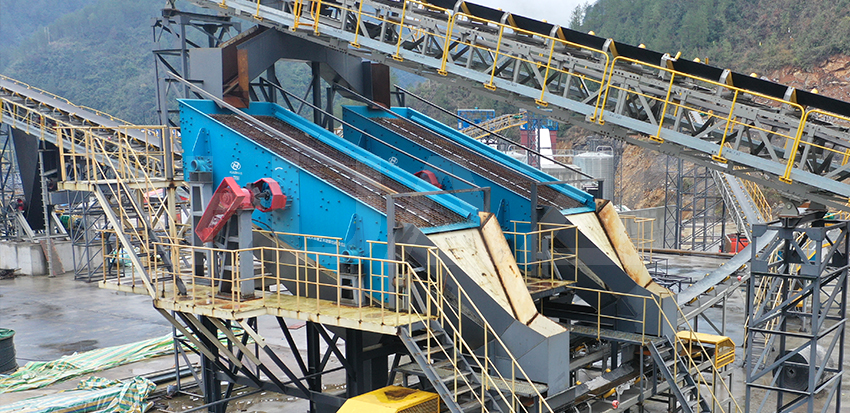
How to Improve Quarry Screening Efficiency
To achieve better screening performance, companies should focus on:
* Choosing the correct vibrating screen type
* Selecting suitable screen media
* Maintaining proper vibration parameters
* Monitoring material characteristics
* Performing regular equipment inspections
The best vibrating screen selection depends on understanding the relationship between equipment design and material characteristics. Hard rock requires strong structures and wear-resistant components, while soft and sticky materials require solutions that improve screening efficiency and prevent blockage.
By selecting the right mining screen based on material type, production requirements, and operating conditions, mining and quarry companies can achieve better performance, lower maintenance costs, and longer equipment life.

A professional vibrating screen manufacturer can help analyze your material properties and recommend the most suitable screening solution for your project. Luoyang Dahua Heavy Industry is a high-tech enterprise with research & development production, sales, and service. Our company not only guarantees the products quality, but also provides perfect after-sales service. Luoyang Dahua has a professional R & D team, a strong after-sales team, from the equipment selection, site inspection, equipment manufacturing, installation, commissioning, delivery and other aspects for your service. If you have any questions, please contact the Online Service or Whatsapp +86 13938852499 at any time.