
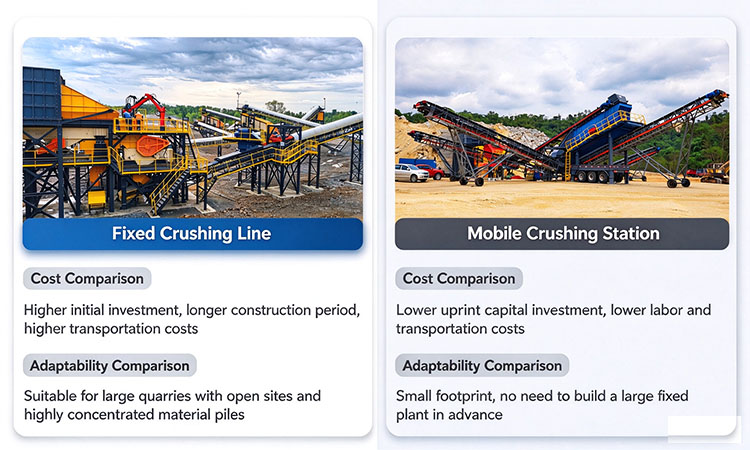
For investors planning to build a small aggregate crushing plant, like 10000 TPD, choosing between a stationary crushing plant and a mobile crushing plant is an important decision. Which option is more economical? The answer depends on your raw materials, working site, investment budget, and long-term production plan. This article compares both solutions to help you make the right choice.

1. What Equipment Is Needed for a 1,000 TPD Aggregate Plant?
A small aggregate plant with a daily output of 1,000 tons usually needs a complete crushing and screening system.
The main equipment may include:
– Vibrating feeder
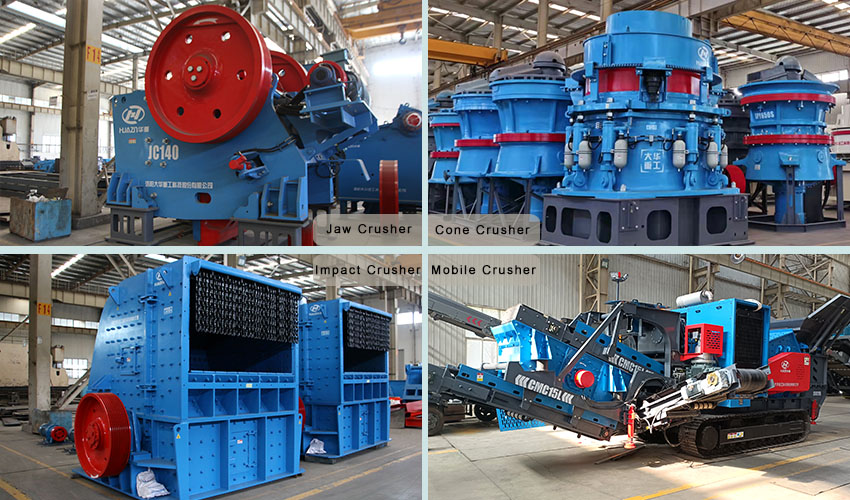
– Jaw crusher for primary crushing
– Cone crusher or impact crusher for secondary crushing
– Vibrating screen for material classification
– Belt conveyors for material transportation
The actual configuration depends on the raw material, feeding size, final product size, and working hours.
2. Stationary Crushing Plant: Better for Long-Term Production
A stationary crushing plant is installed at a fixed location. It is suitable for aggregate plants with stable raw material supplies and long-term production plans.
Main advantages:
– Lower equipment investment in some configurations
– Stable production capacity
– Suitable for large-scale and continuous production
– Easy to design a complete crushing and screening system
– Convenient for long-term operation and maintenance
Main disadvantages:
– Requires foundation construction and installation
– Installation takes more time
– Difficult to move to another working site
– Civil construction adds to the initial investment
For a small aggregate plant producing 1,000 tons per day, a stationary crushing line is often a cost-effective choice if the quarry has a stable location and sufficient raw materials.

3. Mobile Crushing Plant: More Flexible and Convenient
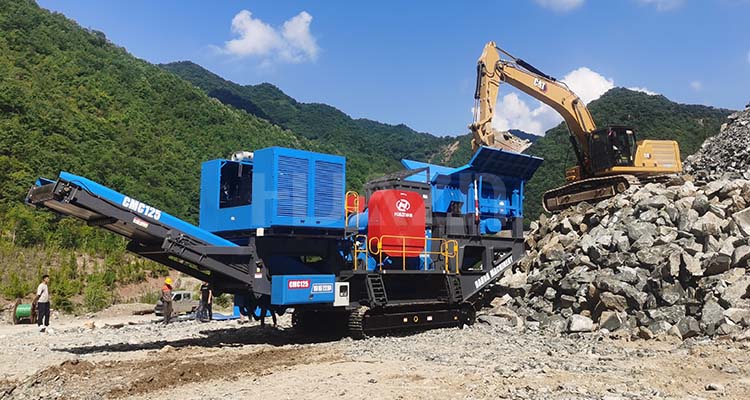
A mobile crushing plant integrates crushing equipment, conveyors, and other components on a mobile chassis or crawler-mounted platform.
It can move between different working sites and is especially suitable for projects with changing locations.
Main advantages:
– Easy to move between working sites
– Less foundation construction
– Faster installation and commissioning
– Flexible operation
– Suitable for construction waste recycling and temporary crushing projects
Main disadvantages:
– Initial equipment investment may be higher
– Some configurations have limitations in production capacity
– Maintenance and transportation costs should be considered
– Not always the most economical option for a long-term fixed quarry
If your raw materials are scattered across different locations or the project has a limited service period, a mobile crushing plant may save time and transportation costs.
4. Stationary vs. Mobile Crushing Plant: Which Is More Economical?
Let’s compare the two solutions from several important aspects.
| Comparison | Stationary Plant | Mobile Plant |
| Initial investment | Often lower | May be higher |
| Installation | Requires foundation | Faster installation |
| Mobility | Fixed location | Easy to move |
| Production stability | Very stable | Depends on configuration |
| Civil construction | Usually more | Usually less |
| Long-term operation | Suitable | Depends on project |
| Best application | Fixed quarry | Multiple or temporary sites |
Which one has a lower total cost?
For a fixed quarry with stable production, a stationary crushing plant usually offers better long-term economic benefits.
For projects requiring frequent relocation, a mobile crushing plant can reduce transportation, installation, and site preparation costs.
The cheapest equipment is not always the most economical solution. You should compare the total investment and operating costs over the entire project period.
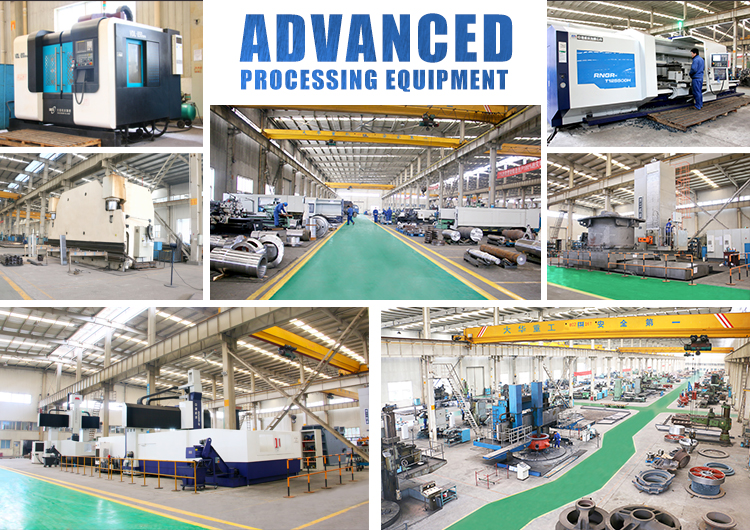
Luoyang Dahua Heavy Industry is a high-tech enterprise with research & development production, sales, and service. Our company not only guarantees the products quality, but also provides perfect after-sales service. Luoyang Dahua has a professional R & D team, a strong after-sales team, from the equipment selection, site inspection, equipment manufacturing, installation, commissioning, delivery and other aspects for your service. Send us your raw material, feeding size, daily capacity, and final product requirements. Our team can help you plan a suitable 1,000 TPD aggregate crushing plant.