
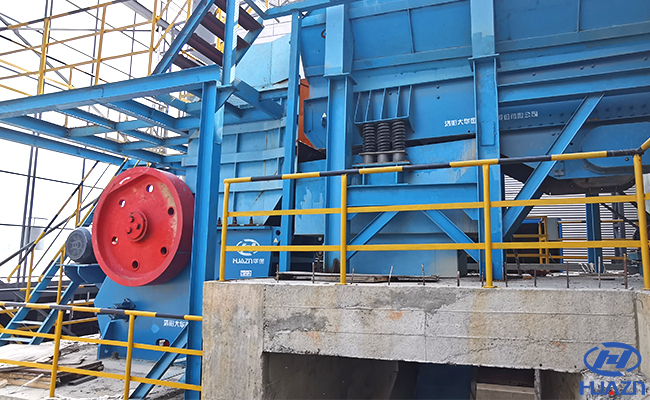
A jaw crusher is widely used in mining, quarrying, and aggregate production. However, its crushing performance depends not only on the machine itself but also on how materials are fed into the crushing chamber. Improper feeding can cause uneven crushing, low production capacity, excessive wear, and even unexpected equipment downtime. How can you feed a jaw crusher correctly? Here are some practical tips for better crushing performance.

1. Feed Materials Evenly
Continuous and uniform feeding is one of the most important operating rules for a jaw crusher. If too much material enters the crushing chamber at one time, the crusher may become overloaded. If feeding is too slow or interrupted, the machine cannot reach its expected production capacity.
Tips:
– Keep the material flow stable and continuous.
– Avoid feeding large amounts of material suddenly.
– Maintain a suitable material level in the crushing chamber.
– Adjust the feeder speed according to the crusher’s working condition.
2. Avoid Feeding Materials on One Side
Uneven feeding is a common problem in jaw crusher operation. When materials enter from only one side of the crushing chamber, the crushing load may become uneven. This can increase wear on jaw plates and affect the machine’s working stability.
Tips:
– Distribute materials evenly across the feed opening.
– Avoid concentrating all materials on one side.
– Check whether the feeding chute is properly positioned.
– Adjust the feeding direction when necessary.
Even material distribution helps reduce uneven wear and improve crushing stability.

3. Control the Feeding Size
Every jaw crusher has a maximum feed size. Feeding oversized rocks may cause blockage, increase crushing pressure, and damage equipment. Before operation, check the maximum feed size according to the selected jaw crusher model.
Tips:
– Make sure the feed size is within the machine’s recommended range.
– Use a suitable grizzly feeder or pre-screening system to remove oversized or unwanted materials.
– Break oversized rocks before feeding them into the crusher.
– Avoid mixing excessively large rocks with normal feed materials.
Proper feed size control helps reduce blockages and protect the jaw plates.
4. Avoid Overloading the Crushing Chamber
Overloading is another common reason for poor jaw crusher performance. When the crushing chamber receives more material than it can process, the motor load may increase and the machine may operate under excessive pressure.
Tips:
– Adjust the feeder speed based on the crusher’s capacity.
– Do not increase feeding speed simply to achieve higher output.
– Monitor motor current and machine operation regularly.
– Reduce feeding when abnormal noise or overload occurs.
A stable operating load is better than short periods of excessive feeding.

5. Keep the Feeding Process Continuous
Frequent starting and stopping of material feeding can reduce production efficiency. For a continuous crushing line, the feeder, jaw crusher, and downstream equipment should work together smoothly.
Tips:
– Check the feeder and conveyor before starting production.
– Maintain a continuous supply of raw materials.
– Avoid unnecessary feeding interruptions.
– Coordinate the operation of all equipment in the crushing line.
A well-organized feeding process helps improve the overall efficiency of the crushing plant.
6. Check Material Conditions Before Feeding
Different materials have different crushing characteristics. For example, hard rocks such as granite and basalt require suitable crushing conditions. Wet or sticky materials may easily block the feeding chute or affect material flow.
Before feeding, consider:
– Material hardness.
– Maximum feed size.
– Moisture content.
– Clay and fine material content.
Choosing suitable feeding equipment and adjusting the feeding method according to material conditions can help prevent common operating problems.
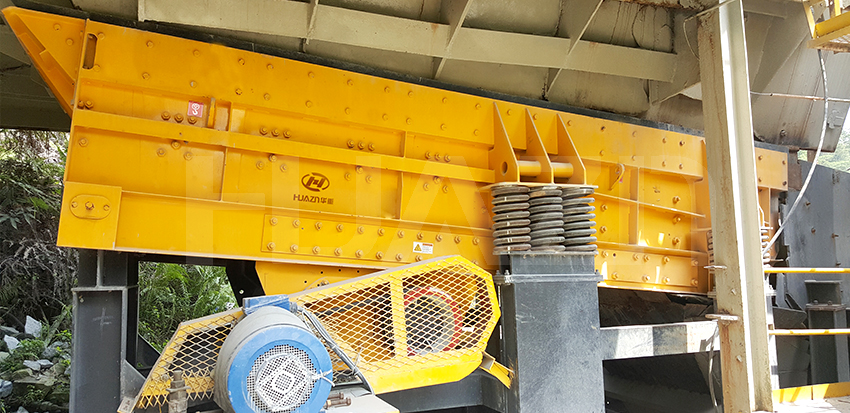
Good feeding habits can make a significant difference in jaw crusher operation. Uniform feeding, correct feed size, balanced material distribution, and stable operation help reduce blockages, improve production efficiency, and extend the service life of wear parts. If you are planning a new crushing plant or want to improve the performance of an existing jaw crusher, choosing the right equipment and feeding system is important.
Luoyang Dahua provides jaw crushers and complete crushing and screening solutions for mining and aggregate production. Contact us to get suitable equipment recommendations for your project.