
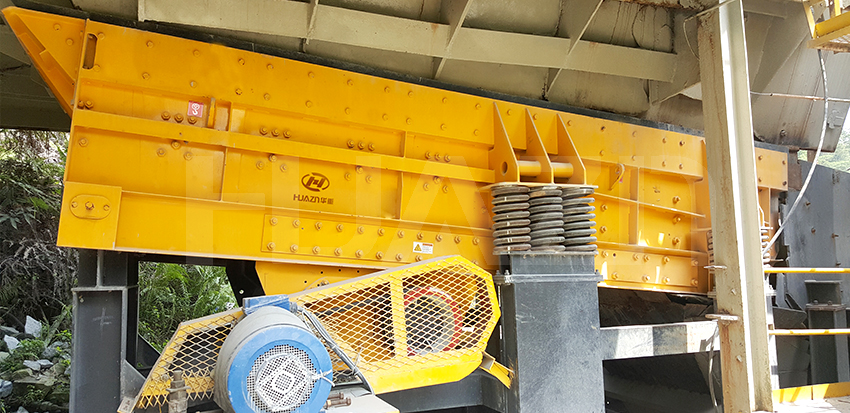
A vibrating feeder and a jaw crusher are two important machines in a stone crushing plant. The vibrating feeder delivers raw materials to the jaw crusher, while the jaw crusher reduces large stones into smaller sizes. Choosing the right vibrating feeder for a jaw crusher is important. If the feeder is too small, the jaw crusher may not receive enough material. If the feeding rate is too high, the crusher may become overloaded. How do you match a vibrating feeder with a jaw crusher? Here are some practical tips.

1. Match the Feeder Capacity with the Jaw Crusher
The capacity of the vibrating feeder should match the processing capacity of the jaw crusher.
For example, if a jaw crusher processes 100 tons of material per hour, the feeder should provide a stable feeding rate that meets the crusher’s actual working requirements.
It is important to avoid two situations:
– Insufficient feeding: The jaw crusher cannot reach its expected production capacity.
– Overfeeding: Too much material enters the crushing chamber, which may cause blockage and increase equipment wear.
A suitable vibrating feeder helps keep the jaw crusher working continuously and efficiently.

2. Consider the Raw Material Size
The size of the raw material is another important factor.
Before selecting a vibrating feeder, you should know:
– Maximum feeding size
– Average material size
– Material hardness
– Material type
For large stones such as granite, basalt and limestone, a heavy-duty vibrating feeder is usually a good choice.
If the raw material contains a lot of fine particles, a vibrating grizzly feeder can help separate some small materials before they enter the jaw crusher.
This reduces unnecessary crushing and can improve the overall efficiency of the crushing plant.
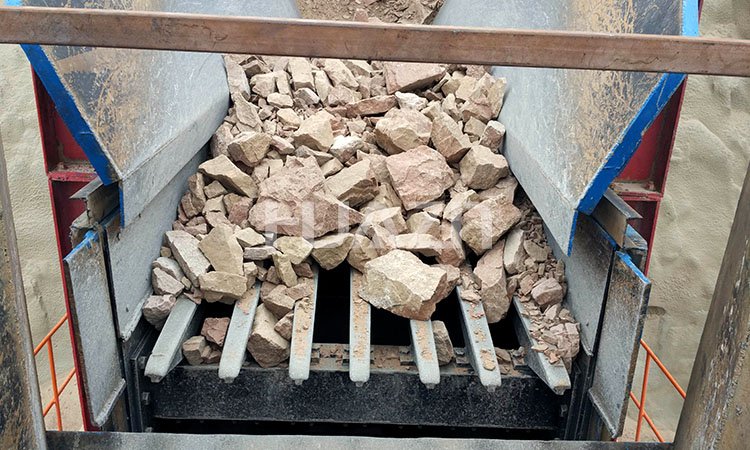
3. Choose the Right Feeder Model
Different jaw crusher models require different feeding equipment. When selecting a vibrating feeder, consider the following factors:
– Jaw crusher feed opening size
– Required production capacity
– Raw material size
– Installation space
– Working conditions
The feeder outlet should be properly matched with the jaw crusher inlet to ensure smooth material transfer.
For a large jaw crusher used in a mining or quarry project, a heavy-duty vibrating feeder is generally recommended.

4. Common Problems Caused by Improper Matching
If the vibrating feeder and jaw crusher are not properly matched, several problems may occur:
| Problem | Possible Reason |
| Low production capacity | Feeder capacity is too small |
| Jaw crusher blockage | Feeding rate is too high |
| Uneven feeding | Incorrect feeder adjustment |
| Excessive equipment wear | Improper material feeding |
| Low screening efficiency | Unsuitable grizzly bar spacing |
Proper equipment selection and installation can help avoid these problems.
5. How to Choose the Right Vibrating Feeder for Your Crushing Plant?
Before purchasing a vibrating feeder, it is better to provide the manufacturer with the following information:
– What material do you want to crush?
– What is the maximum feed size?
– What is the required production capacity?
– Which jaw crusher model will you use?
– Do you need pre-screening?
With this information, the manufacturer can recommend a suitable vibrating feeder model.

Luoyang Dahua Heavy Industry is a high-tech enterprise with research & development production, sales, and service. Our company not only guarantees the products quality, but also provides perfect after-sales service. Luoyang Dahua has a professional R & D team, a strong after-sales team, from the equipment selection, site inspection, equipment manufacturing, installation, commissioning, delivery and other aspects for your service.